— · 2 yr · Remote
Upstack Data
Senior Frontend Engineer
Sole senior frontend engineer owning architecture and delivery of a data-analytics dashboarding platform.
Vol. 2026 · Philippines
Abstract
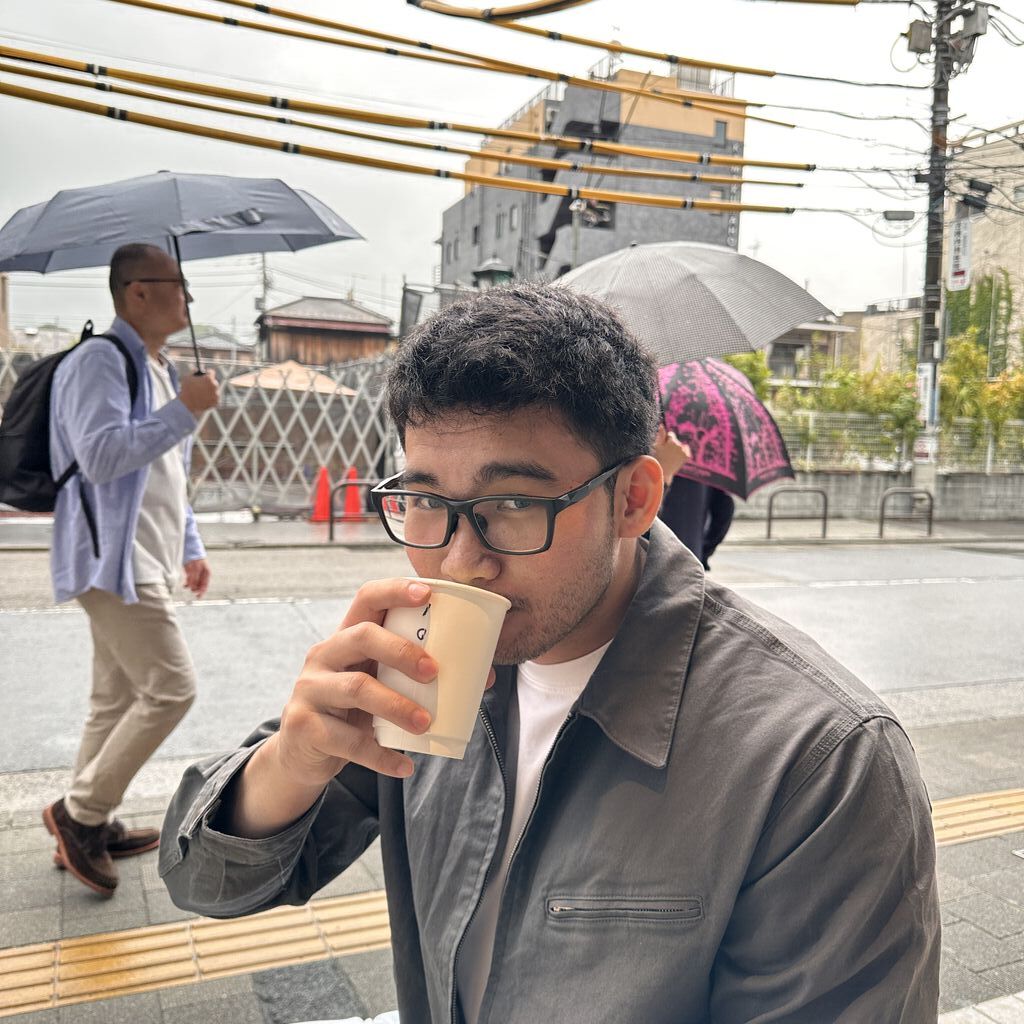
Migs Narciso is a Senior Full Stack Engineer (Frontend Focus) based in the Philippines, working remote, with 7+ years building complex, production-grade web applications. Status: open to fullstack developer (frontend focus) roles — “Feel free to reach out if you'd like to work together.”
Email the author lmnnarciso14@gmail.comRésumé (PDF)GitHubLinkedIn
Keywords React · TypeScript · Next.js · Node.js · Tailwind CSS · Vite
Chapter 1
I'm Migs, a senior full stack engineer with a frontend focus, based in the Philippines, with 7+ years building complex, production-grade web applications. I turn designs into polished, high-fidelity UI and own frontend functionality end-to-end — component architecture, state management, async data flows, and the edge cases in between.
I care about writing code that's maintainable and fast. I believe in building reusable component systems, optimizing bundle sizes, and making sure the interfaces I ship are accessible to everyone. When I'm not coding, I'm usually reading about new frontend patterns, mentoring other developers, or exploring creative projects with Canvas and WebGL.
Chapter 2
Chapter 3
— · 2 yr · Remote
Senior Frontend Engineer
Sole senior frontend engineer owning architecture and delivery of a data-analytics dashboarding platform.
— · 2 yr · Remote
Frontend Engineer
Built the frontend from scratch for a hardware-integrated medical sensing platform and ported it to native desktop.
— · 4 yr · Remote
Frontend & Node.js Engineer
Delivered frontend and Node.js work across trading platforms, ecommerce dashboards, and internal automation tooling.
Chapter 4
Specimen No. 01
60%+build-time cut from the Webpack → Vite migration
Specimen No. 02
20+components in a reusable UI library
Specimen No. 03
50+technical-indicator chart components
Chapter 5
A practical deep-dive into syncing datatable state across URL query params and IndexedDB — shareable filters in the URL, personal preferences in the browser.
After 8 years of shipping React apps, here is every state management pattern I reach for—and when each one earns its place in production.
Why I dropped Recharts and Chart.js for TradingView's Lightweight Charts, and how to wrap its imperative API into idiomatic React without fighting the framework.
The TypeScript patterns I reach for daily in React — discriminated unions, generic components, strict hooks, and type-safe APIs.